Concrete Steps & Stairs
Your entry steps are one of the first things people see and use — get them built right so they are safe, solid, and looking sharp for years to come.
Why Concrete Is the Right Choice for Steps and Stairs
Steps and stairs take a beating. Every person who walks in and out of your home uses them multiple times a day. They get rained on, stepped on with wet shoes, and they are usually the first spot where ice forms in cold weather. That is why the material you choose really matters.
Concrete holds up against all of it. It does not rot like wood. It does not shift and settle the way loose stone or brick does over time. It handles the weight of anyone using it without flexing or cracking under normal conditions. And when it is finished well, it looks clean, welcoming, and timeless at your front door or side entry.
Here is why homeowners in Santa Rosa choose concrete for their entry steps:
- Extremely durable — built to handle daily foot traffic for decades
- Low maintenance compared to wood or natural stone
- Non-slip broom finishes or textured surfaces available
- Can be formed into almost any shape, width, or height
- Works with custom handrail installations
- Matches or complements your existing driveway or patio
- More affordable than natural stone steps with similar longevity
What Building Concrete Steps Actually Involves
Let us walk you through the process
Building concrete steps is more involved than most people realize, and that is exactly why so many DIY attempts fail or end up looking wrong. The key is getting the riser height and tread depth right from the start. Steps that are too steep or too shallow are uncomfortable to use and can be a safety hazard. Building codes exist for a reason, and we follow them on every job.
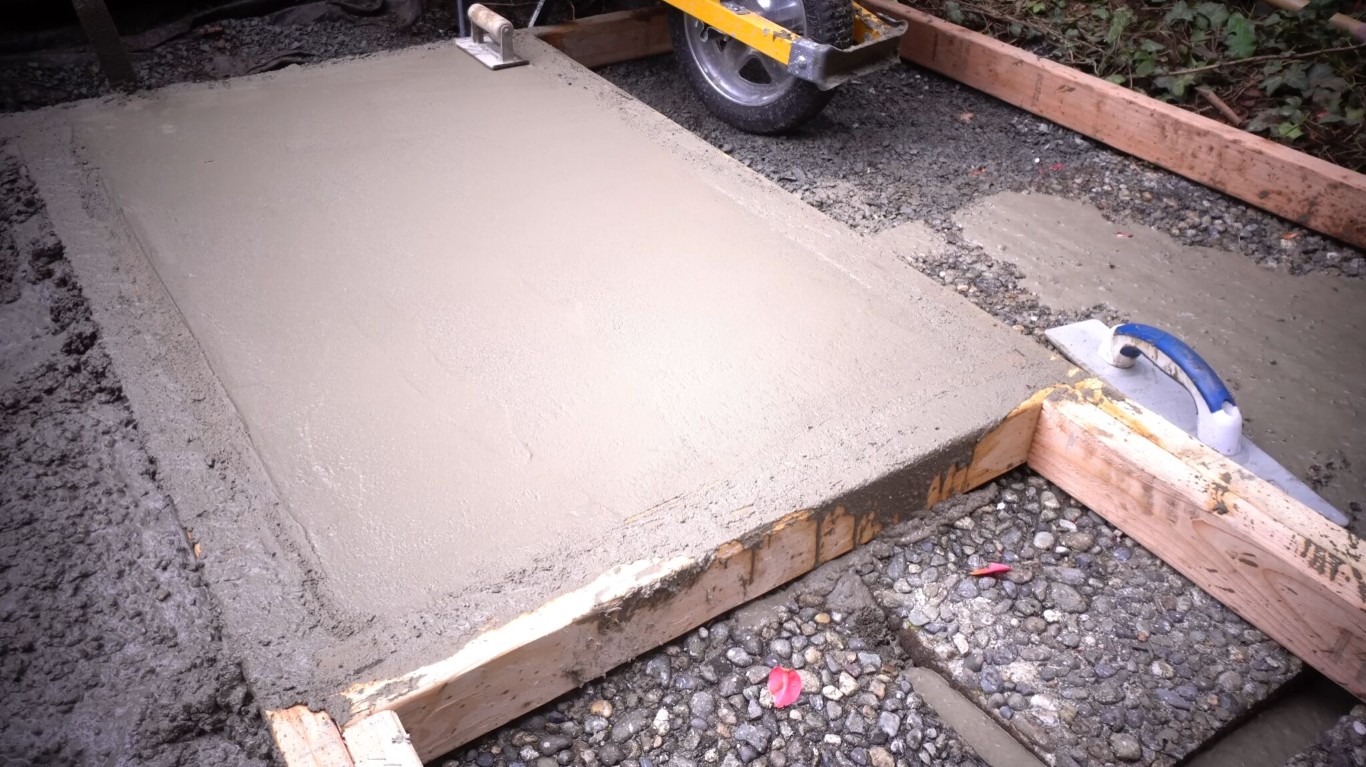
We start by excavating and setting a proper gravel base. This is critical — steps that are poured directly onto unstable soil will sink and pull away from the house over time. The base prevents that. We then set forms to the correct dimensions, place rebar reinforcement throughout, and pour the concrete.
The finish is where you get to make choices. A standard broom finish gives you good grip and a clean look. Exposed aggregate adds texture and visual interest. If you want your steps to match a stamped or decorative concrete patio, we can do that too. We let everything cure fully before calling the job complete.
If you are replacing old steps, we handle the demolition and removal of the existing structure before we build. No debris is left on your property.
Should You Repair Your Old Steps or Replace Them?
Here is how to think about it
If your current steps are cracked, chipping, or pulling away from the house, the question is whether a patch job will hold or whether it is time for a fresh start. The honest answer depends on the extent of the damage and what caused it.
Surface cracks and minor spalling can often be repaired without replacing the whole structure. But if the steps have settled, if there are large structural cracks running through the risers or treads, or if the base underneath has eroded, a repair is just a temporary fix. You will be dealing with the same problem again in a year or two. In those cases, replacement gives you a clean slate and a structure that will last.
We can assess your existing steps and give you a straightforward recommendation. If you also need work done on your concrete slab or foundation, we can coordinate both projects at the same time. And if you are ready to talk numbers, visit our home page and fill out the quick quote form.
Frequently Asked Questions About Concrete Steps and Stairs
How many steps can you build in one project?+
Can concrete steps be made non-slip?+
Do you install handrails with the steps?+
Ready for steps that are safe, clean, and built to last?
Call (707) 867-4944Free quotes. No pressure. Available 24/7.