Concrete Leveling
Sunken and uneven concrete is a tripping hazard and an eyesore — but in most cases you do not need to replace it, you just need to lift it back up.
What Is Concrete Leveling and How Does It Work?
Concrete leveling is the process of raising sunken or uneven concrete slabs back to their original position without tearing them out and starting over. It is faster, cleaner, and almost always less expensive than a full replacement. If you have a section of driveway, sidewalk, patio, or pool deck that has sunk an inch or two, leveling is almost certainly the right call.
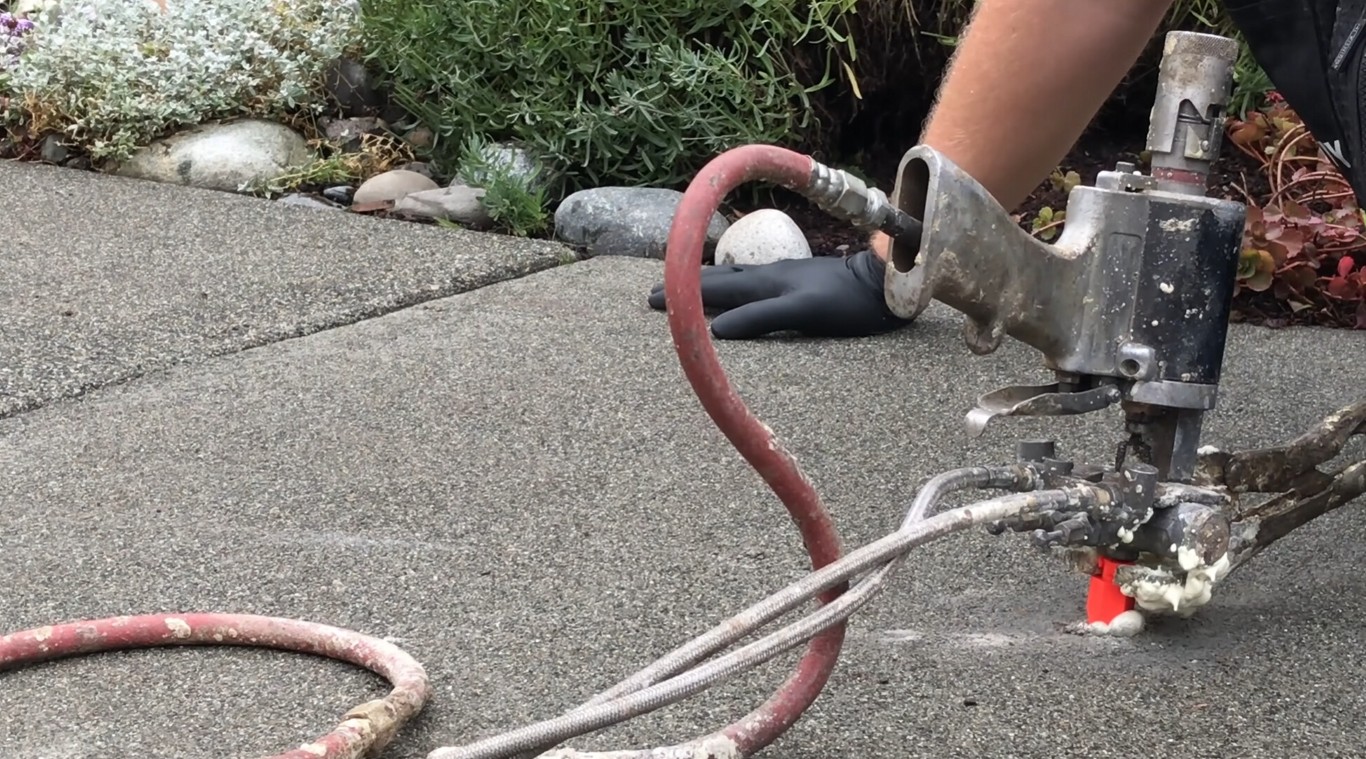
The most common method used today is called polyurethane foam injection, or polyjacking. Here is how it works: small holes are drilled through the slab, a high-density foam is injected underneath, and the foam expands to fill voids and lift the slab back into place. The holes are patched and the job is done in a matter of hours. The foam cures quickly, so you can use the surface again the same day.
Why does concrete sink in the first place? Soil erosion beneath the slab is the most common cause. Water washes away the soil that supports the concrete, leaving a void. The slab drops into that void under its own weight. Tree roots, poor compaction during the original installation, and changes in soil moisture all play a role too.
Signs Your Concrete Needs to Be Leveled
Do not wait until someone trips
Uneven concrete is more than an aesthetic problem. It is a real safety hazard, especially for children and older adults. A lip of just half an inch is enough to catch a foot and cause a fall. If you own a business, uneven concrete on your property also creates liability risk.
Here are the signs that concrete leveling might be the solution for your property:
- One or more slabs that are visibly lower than the surrounding surface
- A step-up or step-down at a control joint that was not there before
- Water pooling on your driveway or patio instead of draining away
- Gaps between the slab and the house foundation or curb
- A rocking or hollow feeling when you walk across the slab
- Doors or garage doors that are harder to open due to slab movement
If you notice any of these on your concrete driveway or walkways, it is worth getting an assessment before the problem gets worse.
Concrete Leveling vs. Full Replacement: Which One Do You Need?
Here is how we decide
Not every sunken slab can be saved with leveling. When we assess your concrete, we look at a few key factors to determine whether lifting it makes sense or whether concrete repair and replacement is the better path forward.
Leveling works well when the slab itself is structurally sound. If the concrete is cracked through, crumbling, or badly deteriorated, lifting it will not fix those problems. In those cases, replacement is the right move. But if the slab is in decent shape and the issue is purely that it has sunk, leveling saves you significant money and hassle.
The cost difference is real. Concrete leveling typically costs 50 to 70 percent less than a full replacement for the same area. There is also no demolition, no hauling away broken concrete, no waiting weeks for a new slab to cure, and no disruption to your landscaping. The foam-injected areas are ready for use within hours.
We will always give you an honest assessment. If replacement is truly the better value for your situation, we will tell you that — and handle it ourselves. If you want to see the full range of what we do, visit our concrete services home page.
Frequently Asked Questions About Concrete Leveling
How long does concrete leveling last?+
Will the repair holes be noticeable?+
Can you level concrete near my foundation?+
Got a sunken slab? We can lift it without a full replacement.
Call (707) 867-4944Free quotes. No pressure. Available 24/7.